
Thai massage has gained worldwide recognition for its therapeutic benefits and unique approach to bodywork. Many practitioners and enthusiasts struggle with identifying correct English terminology for traditional Thai techniques. We explore essential names that enhance your understanding of this ancient healing art today.
Core Thai massage techniques and their English names
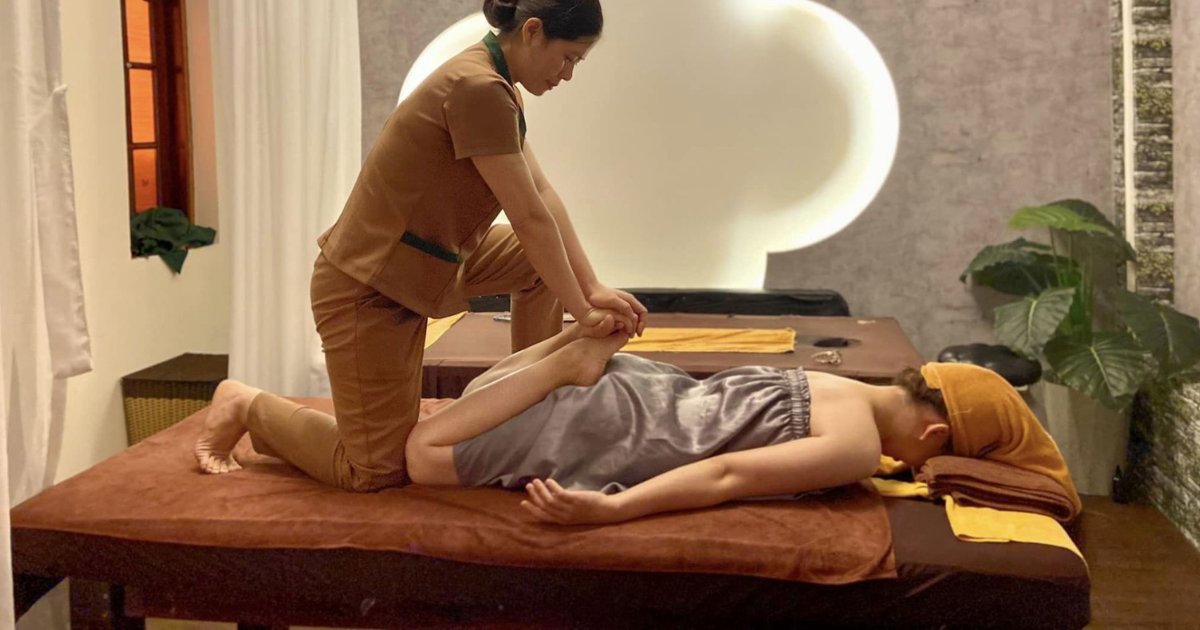
Practitioner demonstrating traditional Thai massage pressure point techniques effectively
Thai massage techniques encompass various methods that practitioners use to release tension and restore energy flow throughout the body. Learning proper English names enables better communication between therapists and clients seeking specific treatment styles. These foundational movements form the basis of every professional massage at home session.
Palm pressing movements
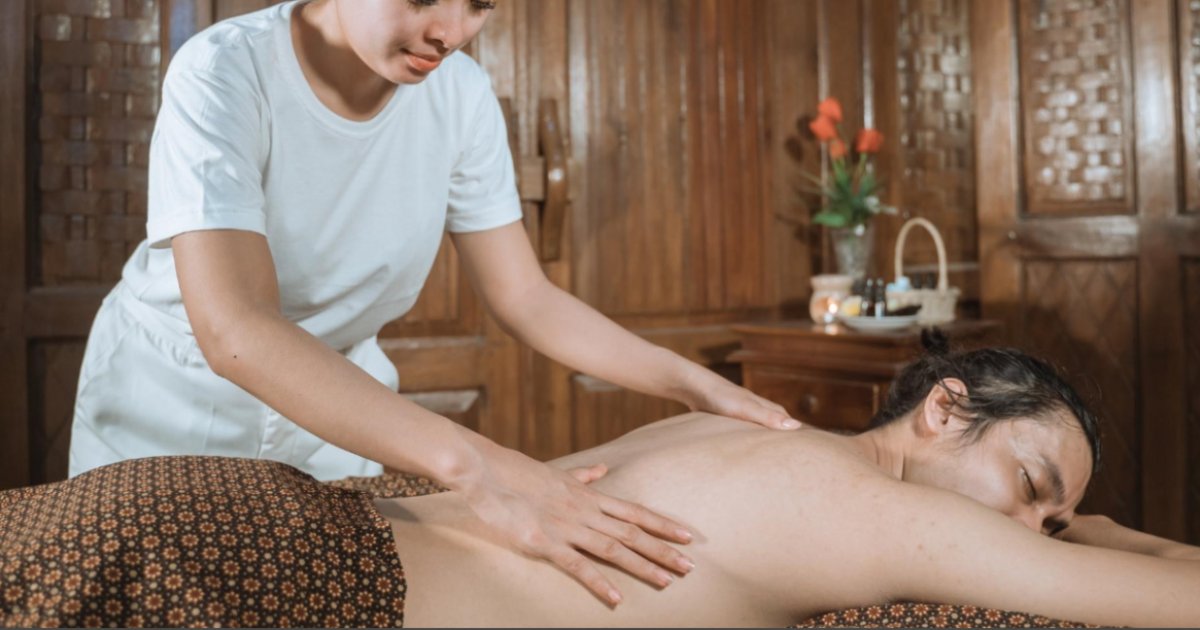
Palm pressing represents one of the most fundamental Thai massage techniques used to apply broad, sustained pressure across large muscle groups. Therapists utilize their entire palm surface to distribute force evenly, preventing discomfort while achieving deep tissue penetration effectively. Đặc biệt, this method works exceptionally well for releasing tension in back muscles and improving overall circulation patterns.
Thumb compression techniques
Thumb compression involves applying focused pressure using the therapist’s thumbs along specific energy lines called sen in traditional practice. This Thai massage technique targets smaller muscle areas and trigger points that require precision rather than broad pressure application. Ngoài ra, practitioners often combine thumb work with stretching movements to maximize therapeutic benefits for their clients.
Elbow pressure applications
Elbow pressure techniques allow therapists to apply deeper force without straining their hands during extended treatment sessions for clients. This Thai massage technique proves particularly effective for addressing chronic tension in gluteal muscles and thick tissue areas. Bên cạnh đó, using elbows helps practitioners maintain proper body mechanics while delivering consistent pressure throughout lengthy appointments.
Popular stretching methods in Thai bodywork
Thai massage techniques incorporate extensive stretching sequences that distinguish this practice from other massage modalities worldwide. Proper English terminology helps clients understand what to expect during their treatment sessions with qualified professionals. Professional services like Glow Thailand ensure practitioners use correct naming conventions consistently.
- Supine leg stretches: These Thai massage techniques involve clients lying on their backs while therapists gently extend legs through various ranges of motion. Practitioners carefully monitor client comfort levels to prevent overstretching while improving flexibility in hip and hamstring areas gradually.
- Spinal twist movements: Spinal twists represent essential Thai massage techniques that promote vertebral mobility and release tension along the entire back region. Therapists guide clients through controlled rotational movements that decompress spinal segments and improve overall posture alignment over time.
- Shoulder opening stretches: These techniques focus on releasing tightness in chest and shoulder areas where many people accumulate stress from daily activities. Practitioners use gentle pulling motions combined with strategic positioning to create space between shoulder joints and enhance breathing capacity.
- Hip flexor extensions: Hip flexor stretches address common tightness from prolonged sitting by lengthening muscles connecting the spine to legs. Thai massage techniques in this category help restore natural hip mobility and reduce lower back discomfort significantly.
- Neck rotation sequences: Careful neck rotations release accumulated tension in cervical muscles while improving head mobility and reducing headache frequency for clients. Therapists apply these movements with extreme caution to ensure safety and maximize therapeutic effects without causing strain.
Advanced applications and specialized movements
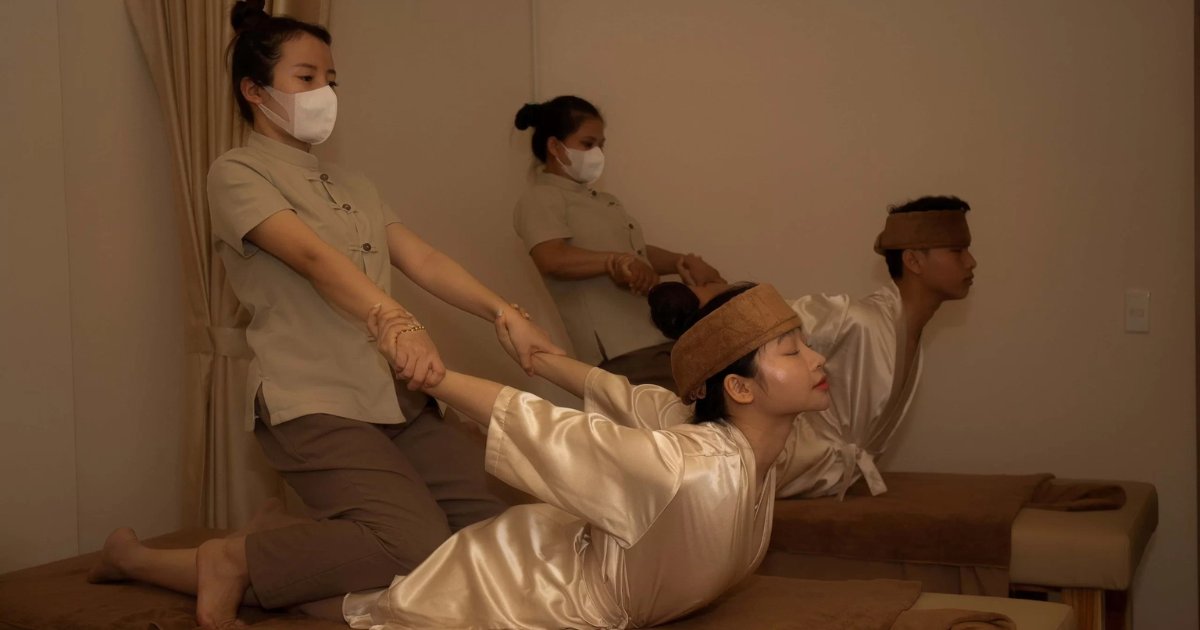
Therapist performing advanced Thai massage movements on treatment mat
Advanced Thai massage techniques require extensive training and understanding of body mechanics to perform safely and effectively on clients. Specialized movements build upon foundational skills to address complex muscular issues and chronic pain patterns throughout the body. These sophisticated methods separate experienced practitioners from beginners still developing their technical proficiency and anatomical knowledge.
Foot walking techniques
Foot walking involves therapists using their feet to apply pressure while holding overhead bars for balance and control during sessions. This method allows practitioners to use body weight effectively without exhausting their hands during intensive treatment protocols for clients. Đồng thời, foot techniques cover larger surface areas more quickly than manual methods alone can achieve.
Assisted inversions
Assisted inversions position clients in partially inverted poses while therapists provide support and apply gentle traction to the spine. These movements promote spinal decompression and lymphatic drainage while offering clients unique perspectives during their therapeutic experience together. Đặc biệt, inversions require careful execution to ensure client safety throughout each position change and transition period.
Rocking and rhythmic movements
Rhythmic rocking techniques create gentle oscillations throughout the body that promote deep relaxation and nervous system regulation for clients. Therapists establish consistent tempo patterns that help clients enter meditative states while receiving treatment from skilled professionals. Ngoài ra, these movements enhance the overall therapeutic experience by combining physical benefits with mental relaxation components effectively.
Conclusion
Understanding proper English names for Thai massage techniques enhances communication between practitioners and clients seeking authentic traditional treatments worldwide. These foundational terms help everyone appreciate the rich heritage and therapeutic sophistication behind each movement and pressure application. We encourage continued learning about these ancient healing practices to deepen your appreciation for traditional wellness methods.